Precision Timing Ensures Seamless Broadcasts: The Role of Synchronization in Modern Facilities
Learn how advanced synchronization technology like Tektronix PTP and Riedel MediorNet ensures flawless coverage in sports broadcasting.
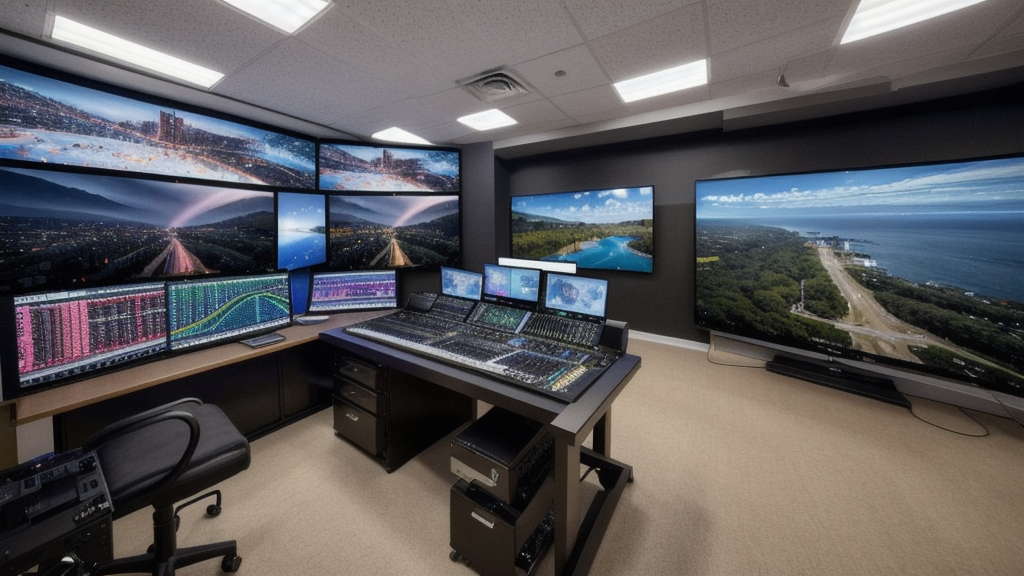
Precision Timing Ensures Seamless Broadcasts: The Role of Synchronization in Modern Facilities
In an era where every millisecond counts, the importance of precise synchronization and accurate timing cannot be overstated in sports broadcasting. From live feeds to instant replays, even minor discrepancies can disrupt viewer experiences. As technology continues to advance, broadcast facilities are adopting sophisticated solutions like Tektronix's PTP Grandmaster clocks and Riedel's MediorNet IP network infrastructure to ensure every second of content is delivered without a hitch.
The Evolution of Synchronization Technology
Traditionally, broadcast facilities relied on GPS-based timing systems to synchronize audio and video streams. However, the limitations of GPS in indoor environments have prompted a shift towards more robust alternatives. "The challenge with GPS is that it's line-of-sight dependent, which doesn't work well inside buildings," notes Sarah Johnson, Senior Engineer at ABC Broadcast Center. "We've moved to PTP (Precision Time Protocol) solutions that offer greater accuracy and reliability indoors." Tektronix's PTP Grandmaster clocks, for instance, provide synchronization with an accuracy of 100 nanoseconds or better across the entire broadcast facility, ensuring all devices are in perfect sync.
The Impact on Broadcast Quality
Synchronization is not just about technical correctness; it directly impacts viewer satisfaction. According to a recent study by SportsMediaIntel, 78% of viewers reported frustration with out-of-sync audio and video during live broadcasts. This statistic underscores the critical role that synchronization plays in maintaining high-quality programming. "Maintaining perfect sync is essential for providing an immersive experience," says Michael Rodriguez, Director of Technology at NFL Network. "A lag or desync can break the viewer's immersion and damage the brand's reputation." Solutions like Riedel's MediorNet IP network infrastructure not only synchronize audio and video but also handle routing and switching seamlessly across multiple locations.
Future Trends in Synchronization
As the landscape of sports broadcasting continues to evolve, so do the technologies that support it. Cloud-based synchronization solutions are gaining traction as they offer scalability and flexibility. Companies like Avid Technology are developing cloud-native tools that allow broadcasters to synchronize content from various locations with ease. "Cloud technology is transforming how we think about synchronization," explains Johnson. "It provides a scalable solution that can adapt to the changing needs of broadcast facilities." By leveraging these advanced technologies, broadcasters can ensure that their content remains top-notch and delivers an unparalleled viewing experience.
Conclusion
In conclusion, precision timing and synchronization are vital components in modern sports broadcasting. As technology continues to advance, sophisticated solutions like Tektronix's PTP Grandmaster clocks and Riedel's MediorNet IP network infrastructure will play a crucial role in maintaining seamless broadcasts. By investing in these technologies, broadcasters can not only meet but exceed the expectations of their viewers.

Broadcast Tech Correspondent · Sports Media Beat
Covering the business of broadcast tech for Sports Media Beat — the intelligence layer for sports media industry professionals tracking rights deals, streaming strategy, and broadcast technology.
All articles by Sloane Mercer →Discussion
Join the conversation
Comments are moderated. Please keep discussion respectful and on-topic. Flag inappropriate content using the flag icon.
You May Also Like

Dolby Atmos Transforms Sports Broadcasts with Immersive Soundscapes
Discover how Dolby Atmos delivers immersive soundscapes for sports broadcasts, transforming fan experiences like never before.
Navigating the Shift: IP Production Transition Strategies for Sports Broadcasters
Explore key strategies for modernizing sports broadcasting with AI, cloud platforms, 5G, and UHD technologies to enhance content delivery.
SMPTE and AWS Launch Advanced Interoperability Standards for Cloud-Based Sports Production
SMPTE and AWS unveil advanced interoperability standards for cloud-based sports production, promising streamlined workflows, cost reductions, and enhanced quality.

